Lead Designer, Bonus XP 2019
Stranger Things 3 is a cooperative beat-up action/adventure game, with some light puzzle and RPG elements. We chose a pixel art style for this game to evoke the retro, 80’s feel of the popular streaming program.
MY Role
As the lead designer on this project, I lead the design team, managing and prioritizing design tasks, and met with other leads to plan milestone goals for the project. The game release had a strict deadline to launch same-day with the release of Season 3 of Stranger things on Netflix across multiple platforms: XBox, Playstation, Switch, Mobile, and PC.
I worked with other designers to plan and create all game systems and content for the project. I mentored junior designers and helped train them to use development tools and integrate into our design processes. I also assisted with content creation, building several levels and quests for the game, including the intro mission and tutorial.
Another of my duties was managing the story and approving all writing for the project. The game follows the story of Season 3 of the show and Netflix was very protective of spoilers: I was the only designer trusted with the actual Season 3 script. It was my job to create summaries of the season’s episodes and help turn them in to playable game chapters. I also helped to write new content unique to the game. Over half of the quest content is side quest material that are original story lines exclusive to the game. I ensured dialog in the game matched the tone and language of the characters for both main story content that followed the series and our own, original dialog.
Buddy System
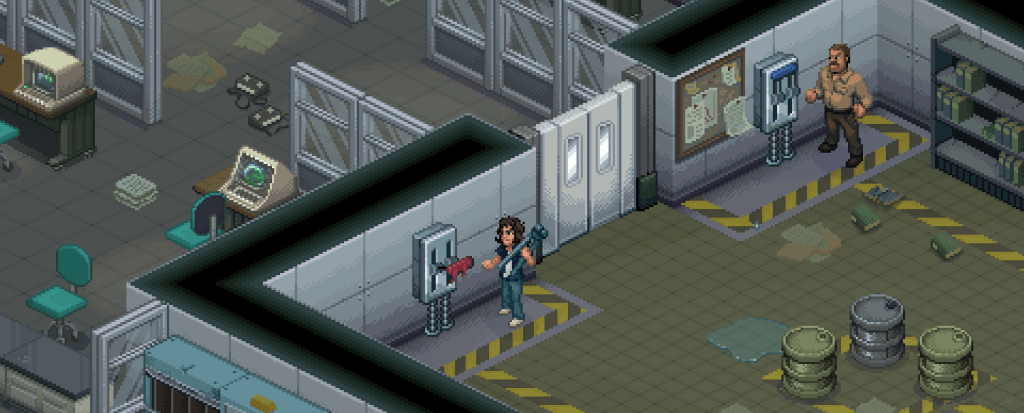
A unique feature of the game I helped design was the Buddy System. Season 3 of the Stranger Things series showed a lot of the kids growing up, and many characters paired off, forming budding relationships. We wanted a game feature to reflect this theme.
To that end, The game was designed to be played with one or two players, but even in single player, your main character was followed by a companion character, and you could freely switch between them. This allowed us to design a number of puzzles and activities in the game that required “splitting the party” in order to unlock doors and access secret rooms.
 William Lemons